
Growing More Than Cannabis: How Morama Uplifts Communities and Cultivates Opportunity
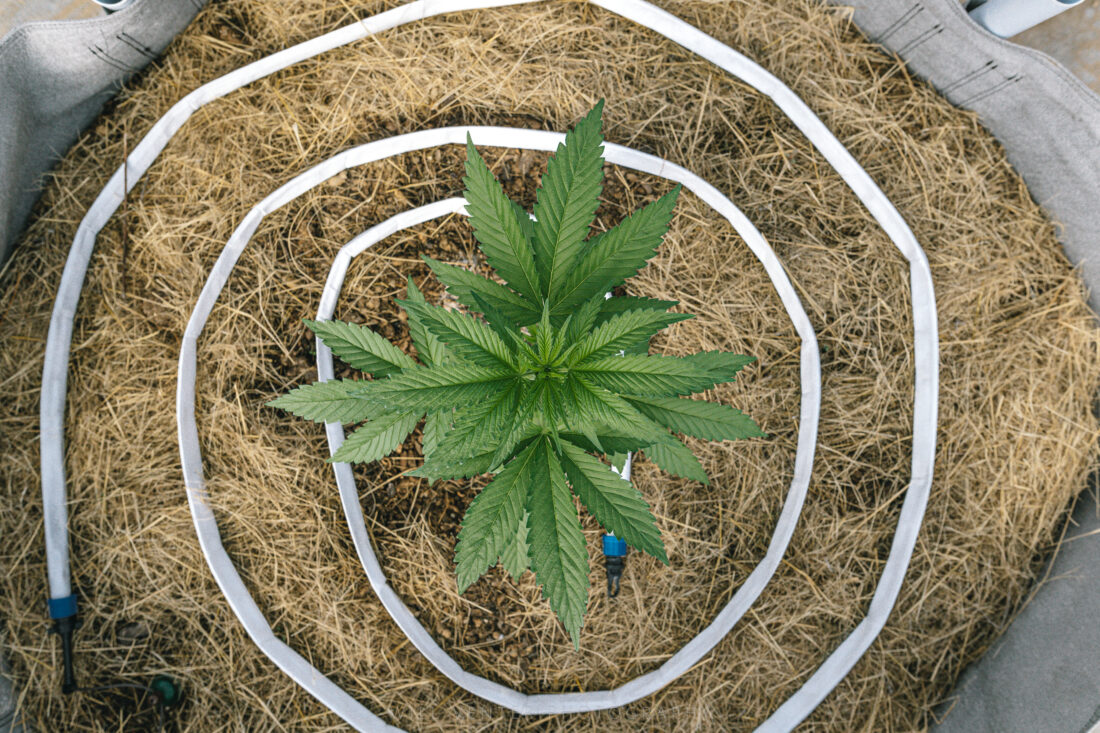
This is a story shaped by steady hands and patient work. At Morama Holdings, the soil holds potential that reaches well beyond the crop, offering the conditions for livelihoods to form, for dignity to take shape, and for lasting renewal to begin.
Rooted in Community
This land is no outpost. It is home. Morama’s cultivation site stands not apart from the community, but within it—woven into the daily rhythm of village life. More than 50 full-time staff from surrounding areas care for the land each day. At harvest time, the fields welcome an additional 30 helping hands. Each one brings knowledge, curiosity, and the will to learn.
There is a quiet kind of progress here. One woman, who first arrived to clean the facility, is now the Processing Lead. Her path has been charted by care, persistence, and the recognition of her skill.
These are not exceptions. They are the shape of things at Morama: a place where growth is not confined to the greenhouse.
With 20% of the company held by local partners, and steady dialogue with community leaders and development councils, Morama is grounded in cooperation, not imposition. What emerges here belongs as much to the region as it does to the company.
This shared structure isn’t just a business choice—it’s a form of local empowerment. In a country where over 50% of the population lives below the poverty line (World Bank, 2022), giving people direct ownership and a voice in decision-making helps ensure that development is not only visible but felt.
Skills That Take Root
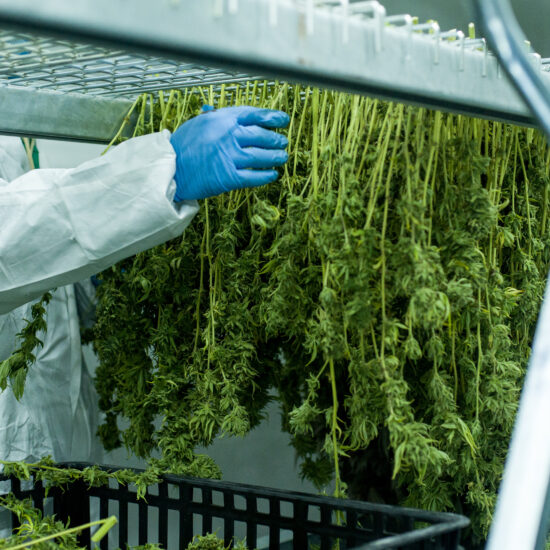
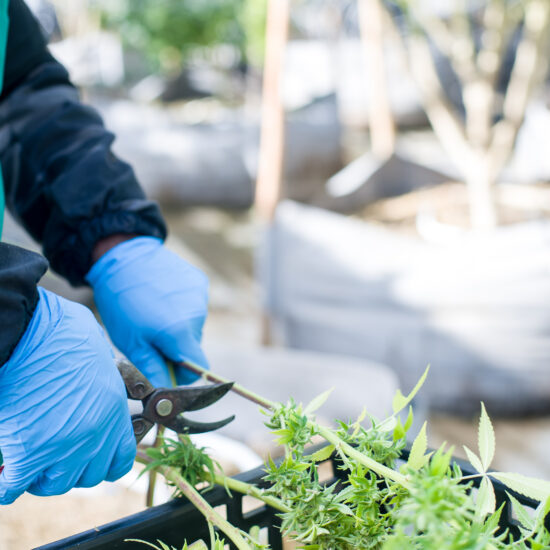
Every day brings a lesson. From planting to post-harvest, the fields are classrooms, and the teams are both teachers and students. Through mentorship and hands-on experience, staff members are learning not only how to lead in farming.
As knowledge deepens, so does independence. The goal is not to manage from afar, but to hand over the reins—to create a team that can carry this work forward on its own terms.
Training includes everything from regenerative farming techniques to quality assurance, sustainability audits, and facility operations, each structured to build resilience.
Beyond the fence line, Morama is working with smallholder farmers to extend regenerative practices outward. It is a quiet kind of revolution: patient, respectful, and entirely rooted in place. And in a landscape shaped by subsistence farming, this shared learning holds the promise of resilience for seasons to come.
Lesotho’s economy remains heavily dependent on agriculture, yet many rural farmers lack access to formal training, infrastructure, or stable markets. According to the Food and Agriculture Organization (FAO), over 70% of the population relies on subsistence farming, with limited access to modern inputs and extension services.
Health, Infrastructure, and Lasting Impact
To work with the land is to be shaped by it. At Morama, care doesn’t stop at the harvest—it extends into homes, kitchens, and everyday life.
The Eternal Flame Cook Bag project offers an example. Made with hemp insulation, these slow-cooking bags reduce reliance on open fires, helping families save fuel and breathe cleaner air. What begins as leftover plant matter becomes a tool for healthier living. According to the World Health Organization, exposure to household air pollution from open-fire cooking contributes to more than 3.2 million deaths annually.
There are deeper investments, too. Clean water systems draw from the mountains. Waste is sorted and recycled with precision. Infrastructure is designed to last, with each investment intended to serve the long-term well-being of the surrounding communities and the land they depend on. The United Nations highlights the importance of sustainable infrastructure in advancing rural development, resilience, and environmental stewardship in Lesotho (UNDP Lesotho).
Morama’s borehole-fed irrigation system reduces dependency on municipal water, ensuring a reliable supply for agricultural needs without straining local utilities. The company’s waste management plan ensures all organic matter is composted or reused, contributing to climate-smart practices aligned with national sustainability goals (UNDP Lesotho).
Future plans include community health and wellness initiatives, early education support, and continued collaboration with environmental groups to preserve the surrounding highlands.
A Model for a Regenerative Future
In the highlands of Lesotho, cultivation follows the contours of the land and the knowledge of those who tend it. It is shaped by the seasons, the soil, and the steady presence of local hands.
Regenerative agriculture is central to Morama’s model. It strengthens the surrounding ecosystem over time, creating conditions where land and livelihood can thrive together.
By avoiding tillage, using organic matter for fertilisation, and supporting biodiversity through companion planting, the soil improves each year. Carbon is sequestered. Microbial life thrives. And ecosystems begin to restore themselves.
The methods in use today have been shaped by generations of indigenous knowledge, refined over time, and now aligned with the growing body of agricultural science. According to the United Nations FAO, nearly one-third of the world’s arable land has been lost to erosion and degradation in the past 40 years. Farming practices that regenerate soil aren’t just ideal—they’re essential.
Lesotho’s pioneering role in the cannabis industry also gives Morama a unique platform. In 2017, Lesotho became the first African country to legalise medical cannabis cultivation, paving the way for regulated industry growth (Prohibition Partners, 2020). Morama stands at the forefront of this evolution, pairing global standards with local insight.
For those seeking to support purposeful work, Morama presents a living example of how agriculture can nurture both people and place.
A future where agriculture restores, employment uplifts, and progress is measured as much in its people. At Morama, change is cultivated with care and continuity—guided by nature, shaped by community, and strengthened with each passing season.
SOURCES
- World Bank. (2022). Lesotho Country Overview. https://www.worldbank.org/en/country/lesotho
- World Health Organization. (2022). Household air pollution. https://www.who.int/news-room/fact-sheets/detail/household-air-pollution-and-health
- United Nations FAO. (2021). The State of the World’s Land and Water Resources for Food and Agriculture. https://www.fao.org/documents/card/en/c/CB9910EN
- FAO. Lesotho Country Profile. https://www.fao.org/countryprofiles/index/en/?iso3=LSO
- UNDP. Lesotho Country Profile. https://www.undp.org/lesotho
- Prohibition Partners. (2020). The African Cannabis Report. https://prohibitionpartners.com/reports/the-african-cannabis-report/